


Why do we actually need hair?
We usually only realize how important hair is to us when it starts to recede. But hair is not just a beauty accessory that we look after. Hair is part of our body’s protection program. So it makes sense to take care of it and replace it – e.g. with a hair transplantation. In this blog post you will learn everything you ever wanted to know about hair – because soon you will be able to enjoy a full head of hair again thanks to hair transplants at the Bank of Hair!
What is the function of hair?
Originally, hair served to warm and cool the skin of mammals and also to protect it from the sun and dirt. Hair also fulfills this function in humans – not only on the head, but also as eyelashes, eyebrows or in the nose and ears. Because humans have been wearing clothes for a long time, we have significantly less hair than other mammals – except on the head. In addition to providing important sun protection, hair on the head also has a cultural significance, for example as natural jewelry.
How important is scalp hair as thermal insulation?
It used to be assumed that a lot of heat was lost through the head and that people with bald heads therefore needed special protection. However, studies have shown that although we lose a relatively large amount of heat through the head, it is no more than through the rest of the body.

How much hair do we have on our heads on average?
It really depends on the hair color:
- Blond people have about 150,000 rather fine hairs,
- Redheads have around 90,000 hairs, but they are quite thick,
- Brown and black-haired people have an average of 100,000 hairs on their heads.
What is hair made of?
The visible part of the hair – like our fingernails and toenails – essentially consists of keratins. These are stable fiber proteins. The hair root, which is hidden in the skin, constantly produces new cells and keratin fibers during the growth phase, which stick together to form long strands. These cells then die and keratinize. As new cells and fibers continue to grow from the root, the hair pushes itself out of the skin piece by piece. Just like fingernails, hair contains neither nerves nor blood vessels. This is why we do not feel when hair is cut off.

Why does head hair grow so long?
Our body hair, like our eyelashes and eyebrows, only grows to a certain length and then – after a few weeks – falls out. Our head hair, on the other hand, grows and grows. If we didn’t shorten our hair regularly, we would all have a remarkably long hairstyle. Leg hair, for example, stops growing after around 20 weeks and eyelashes after around 30 days. The latter grow at around 0.12 millimetres per day, while scalp hair grows at around 0.35 millimetres per day.
How fast and how long does scalp hair grow?
The hair on most people’s heads grows between two and six years and can therefore reach a length of over 70 centimetres. Researchers do not know why this is the case. The maximum length is genetically determined and varies from person to person. The hair remains in the skin for a few weeks to months before it falls out. Then the cycle starts all over again. The reason why we don’t go bald from one day to the next is that not all hairs are always in the same phase. You can read more about this read more here.
How quickly our hair grows depends on various factors: Age, hormone status and hair structure all play a role. With straight hair, every centimeter grown is visible as it grows straight down. Wavy hair does not necessarily grow more slowly, but the extra length is not visible as quickly. With curly and frizzy hair, it takes even longer for the hair growth to become visible. Incidentally, hair does not grow faster when it is cut – this also applies to leg hair. The growth rate remains the same, whether shaved or not.
Transplanted hair behaves just like any other hair and grows just as quickly. It is therefore normal for a very small proportion of transplanted hairs to fall out – they make room for a new generation that is formed in the hair root.
Concluding thoughts
Hair is more than just a fashion statement; it fulfills important physiological and cultural functions. If you are suffering from hair loss, a hair transplant can be an effective solution. Visit the Bank of Hair for more information and personalized advice.
Stay up to date

The question of the best time for a hair transplant concerns many people who suffer from hair loss or thinning hair. With the right information and timing, you can not only improve the appearance of your hair, but also increase your self-esteem and quality of life. In
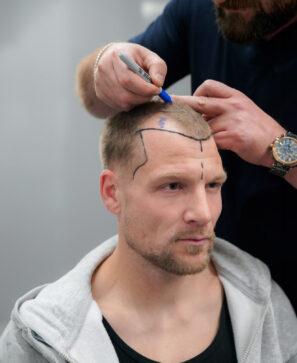
The question of the best time for a hair transplant concerns many people who suffer from hair loss or thinning hair. With the right information and timing, you can not only improve the appearance of your hair, but also increase your self-esteem and quality of life. In

The question of the best time for a hair transplant concerns many people who suffer from hair loss or thinning hair. With the right information and timing, you can not only improve the appearance of your hair, but also increase your self-esteem and quality of life. In
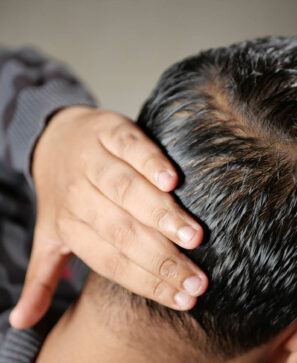
The question of the best time for a hair transplant concerns many people who suffer from hair loss or thinning hair. With the right information and timing, you can not only improve the appearance of your hair, but also increase your self-esteem and quality of life. In
Free hair analysis
Click on the button and get your individual treatment price in only 2 minutes!